
When Does the Appraisal Follow the Property?
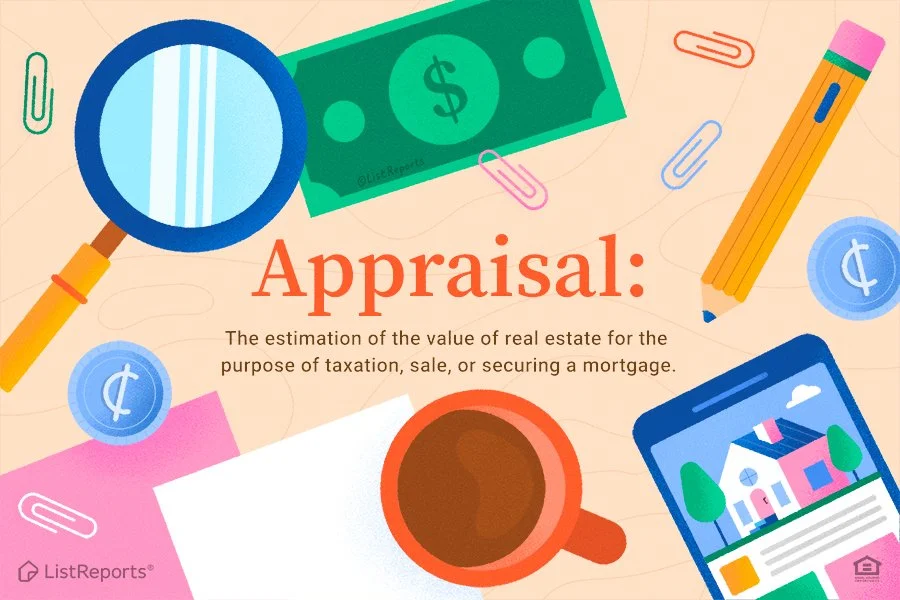
The FHA & VA Appraisal Rule That Can Change Your Entire Deal
Most people assume that when a buyer backs out of a transaction, everything starts over.
Not always.
With FHA and VA financing, the appraisal is typically tied to the property—not the buyer. That means if a home was appraised for an FHA or VA loan and the contract falls apart, the next FHA or VA buyer may inherit that same appraisal value.
Depending on the situation, that can be either a blessing or a headache.
Let's look at why.
📋 How It Works
Imagine a home goes under contract for $425,000.
The FHA appraisal is completed and comes in at $425,000. Great news.
Then the buyer loses their job, gets cold feet, or can't obtain final loan approval. The transaction falls apart.
A month later, a new FHA buyer comes along.
In many cases, the new lender must use the existing FHA appraisal if it's still valid. Similar rules apply to VA appraisals and their Notice of Value (NOV).
The appraisal generally stays with the property for about six months.
👍 The Pros
For Buyers
Potential savings
The appraisal may already be completed, reducing costs and eliminating one hurdle in the loan process.
Faster closing timeline
With an existing appraisal in place, there may be fewer moving parts and less waiting.
Reduced uncertainty
You already know the property's value has been reviewed by an appraiser.
For Sellers
One less obstacle
If the property already appraised at value, there's less concern about a new appraisal coming in lower.
Potentially quicker transactions
The next FHA or VA buyer may move through the process more efficiently.
Additional confidence
The seller already knows how the property performed during the appraisal review.
For Real Estate Agents
Fewer surprises
The appraisal value is often already known.
Better negotiation position
Agents can structure offers and expectations around existing information.
Potentially faster closings
Less waiting often means fewer opportunities for deals to fall apart.
For Lenders
Reduced processing time
An existing appraisal can streamline portions of the underwriting process.
Lower appraisal management workload
Less coordination may be required compared to ordering a brand-new appraisal.
👎 The Cons
For Buyers
A low appraisal follows the property
If the previous appraisal came in below contract price, the new buyer may inherit that same challenge.
Limited opportunity for a second opinion
Many buyers assume they can simply order another appraisal. FHA and VA rules often prevent that.
Negotiation challenges
A low value may require a price reduction, larger down payment, or both.
For Sellers
A low value can impact future offers
If the appraisal came in low, that value may continue affecting negotiations with subsequent FHA or VA buyers.
Reduced leverage
Sellers may need to adjust expectations until the appraisal expires.
Potential delays
Questions about existing appraisals can create confusion if agents and buyers are unaware of the rules.
For Real Estate Agents
Education required
Many consumers don't understand how appraisal transfers work.
Unexpected conversations
Agents may need to explain why a new buyer cannot simply order a fresh appraisal.
Deal structure becomes more important
A low appraisal can impact pricing strategy for months.
For Lenders
Less flexibility
Lenders generally can't ignore a valid FHA or VA appraisal and start over.
Extra coordination
Obtaining appraisal transfers from prior lenders can sometimes create delays.
Borrower frustration
Explaining inherited appraisal values isn't always an easy conversation.
🐼The Bottom Line
The next time you see a home come back on the market after an FHA or VA buyer cancels, don't assume the slate has been wiped clean.
An appraisal may already exist. The value may still be attached to the property. And that value could influence every future FHA or VA offer until the appraisal expires.
Before writing an offer—or accepting one—ask these questions:
✅ Was an FHA or VA appraisal completed?
✅ When was it completed?
✅ Did it come in at value?
✅ Is it still valid?
Those four questions can save everyone involved a lot of time, money, and frustration.
Mortgage guidelines aren't always simple, but understanding the rules before you write the contract can help avoid surprises after you're already emotionally invested in the home.
If you're buying, selling, or representing a client on an FHA or VA transaction, I'm happy to help you navigate the details.

