
💰Should You Buy Down Your Mortgage Rate?
If you’re shopping for a home right now, you’ve probably noticed that even small shifts in mortgage rates can make a big difference—especially with higher loan amounts. That’s where mortgage discount points come into the conversation. In today’s market, many buyers are revisiting this strategy as a way to improve affordability without waiting on unpredictable rate changes.
Discount points aren’t required, and they’re not a one-size-fits-all solution. They’re simply a strategic option. When used thoughtfully, they can create meaningful long-term savings. When used without a plan, they can turn into an upfront cost that never quite pays off. Let’s walk through how they work and when they tend to make sense.
🤔 What Are Mortgage Discount Points?
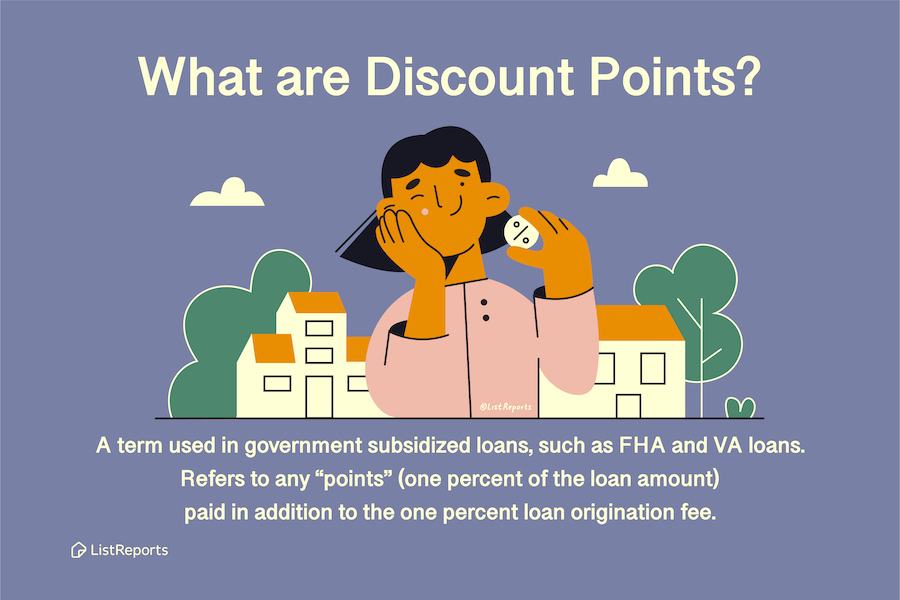
Mortgage discount points are a one-time, optional fee you can choose to pay at closing to reduce your interest rate. Each point equals 1% of your total loan amount. On a $400,000 loan, one discount point would cost $4,000.
In return, lenders typically reduce the interest rate by about 0.25% per point, depending on market conditions. This type of rate reduction is called a permanent buydown because the lower rate applies for the entire life of the loan unless you refinance or sell the home.
🧠 Why Would Someone Buy Discount Points?
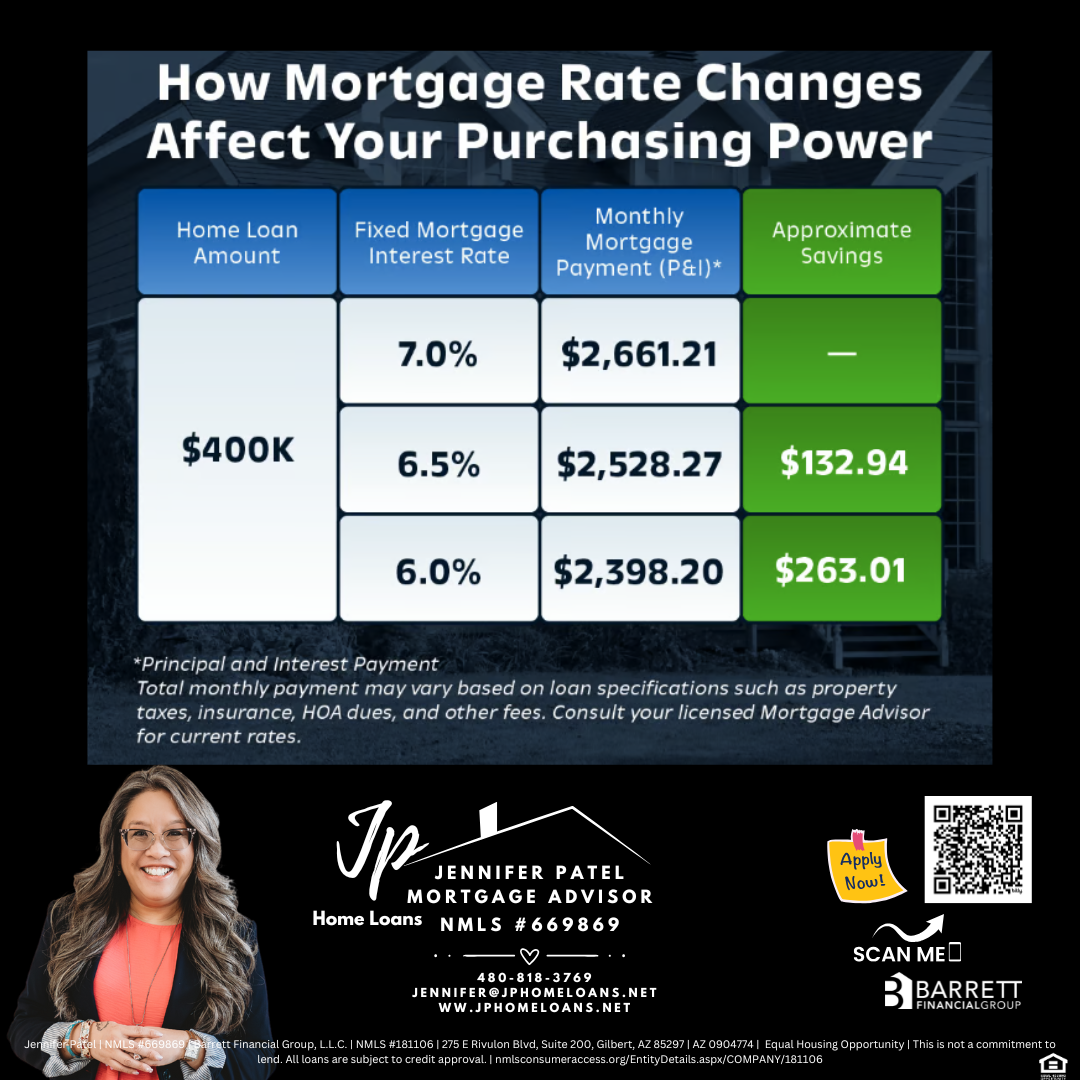
The most common reason buyers choose discount points is to lower their monthly mortgage payment. With larger loan amounts, even modest rate reductions can lead to noticeable monthly savings and meaningful long-term interest reduction.
For example, consider a $400,000 loan on a 30-year term at a 7% interest rate. Without discount points, the principal and interest payment would be approximately $2,661 per month. By paying one discount point—$4,000—to reduce the rate to 6.75%, the payment drops to about $2,594. That’s a monthly savings of roughly $67, or just over $804 per year. Over time, those savings can add up—if the loan stays in place long enough.
🧮 The Break-Even Question (The Part Everyone Should Ask)
Buying discount points only makes sense if you stay in the loan long enough to recover the upfront cost. This is known as the break-even point.
Using the example above, dividing the $4,000 cost of one discount point by the $67 in monthly savings results in a break-even point of roughly 60 months, or five years. If you expect to stay in the home longer than that, discount points may be a smart move. If you plan to sell or refinance sooner, the math may not work in your favor.
🏗️ How Many Discount Points Can You Buy?
Most lenders allow borrowers to purchase up to three or four discount points, depending on the loan program. These options are typically shown on a rate sheet that outlines different interest rates and their associated costs or credits.
The goal isn’t to chase the lowest rate on paper. It’s to choose the option that best aligns with your cash flow, timeline, and long-term plans.
🎯 Discount Points vs. Temporary Buydowns
Discount points permanently reduce your interest rate for the full life of the loan and are typically paid by the buyer, though they can sometimes be negotiated with the seller.
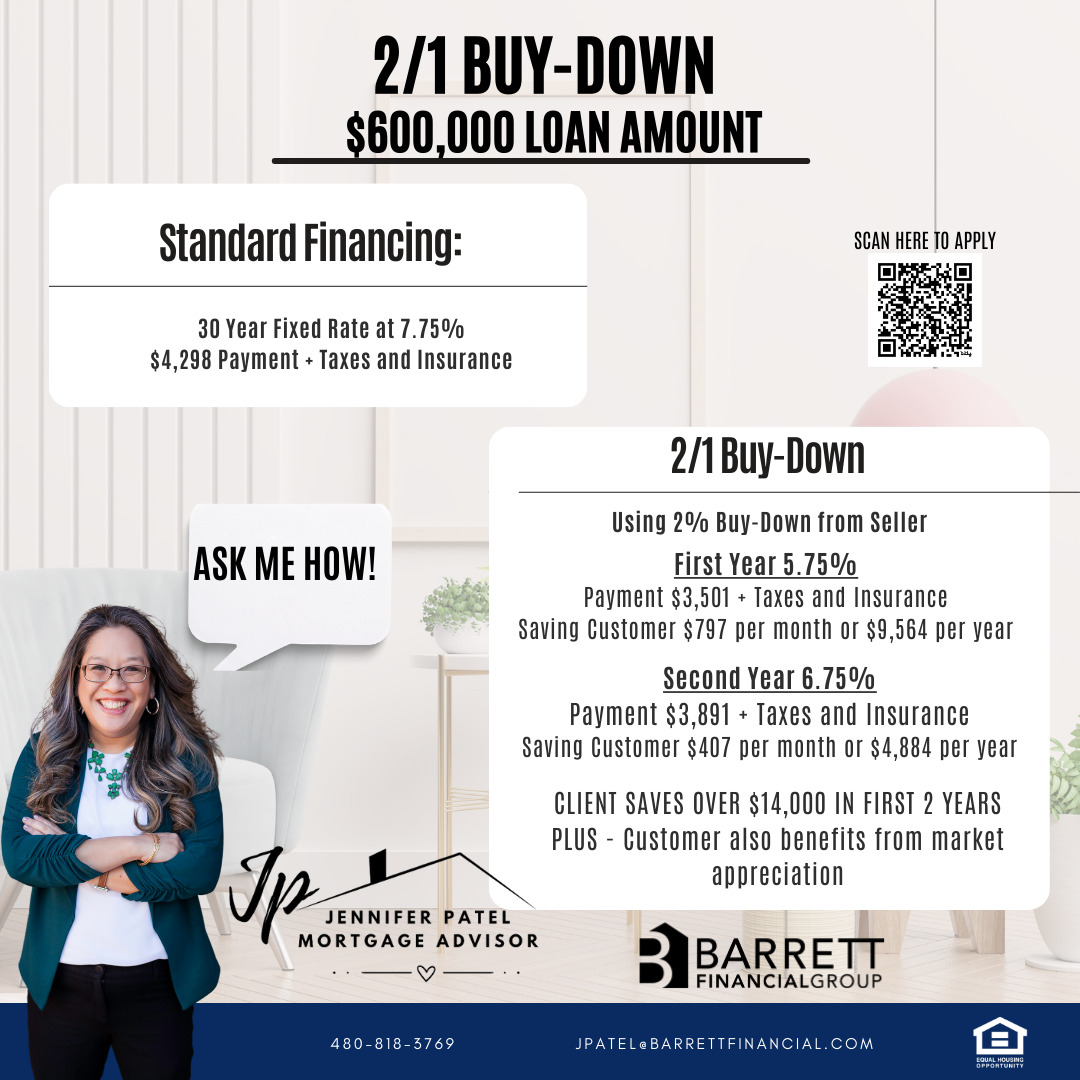
Temporary buydowns—such as 2-1 or 1-0 buydowns—lower your payment only for the first one to two years. These are often funded by sellers or builders and are designed to provide short-term payment relief rather than long-term interest savings.
If you plan to stay in the home long term, discount points often offer greater long-term value. If near-term cash flow matters more, a temporary buydown may be the better fit.
🔗Click Here to read a previous blog post about Temporary Buydowns
🧩 Can Discount Points Help You Qualify?
In some cases, yes. Because discount points reduce the monthly payment, they can lower your debt-to-income ratio. That reduction may help you qualify for a loan, meet underwriting requirements, or strengthen your overall application.
This isn’t always necessary, but in tighter qualification scenarios, it can be a helpful strategy to explore.
💸Are Discount Points Tax Deductible?
Possibly. Discount points may be tax deductible if the loan is for a primary residence and you itemize deductions. Tax rules vary, so it’s important to confirm with a qualified tax professional how this applies to your specific situation.
✅The Bottom Line
Mortgage discount points can be an effective way to lower your interest rate and monthly payment on a loan—but only if the strategy fits your timeline and financial goals. They require an upfront investment, and the benefits show up over time, not immediately.
There’s no universal right answer. The best choice depends on your current situation, future plans, and how long you expect to keep the loan. That’s why thoughtful planning—and running the numbers—matters more than chasing the lowest advertised rate.
👉🏼Curious whether paying points actually makes sense for you?
I’m happy to walk through your options and show you what the numbers look like—no guessing required.

⚠️ Disclaimer
All loan scenarios, rates, payments, and savings examples are for illustrative purposes only and do not constitute a loan commitment. Actual terms, rates, costs, and availability are subject to change based on market conditions, borrower qualifications, loan program guidelines, and property details. Consult with your mortgage professional to review options specific to your situation.
