
🏡 Tiny Homes vs. Manufactured Homes: Financing Explained
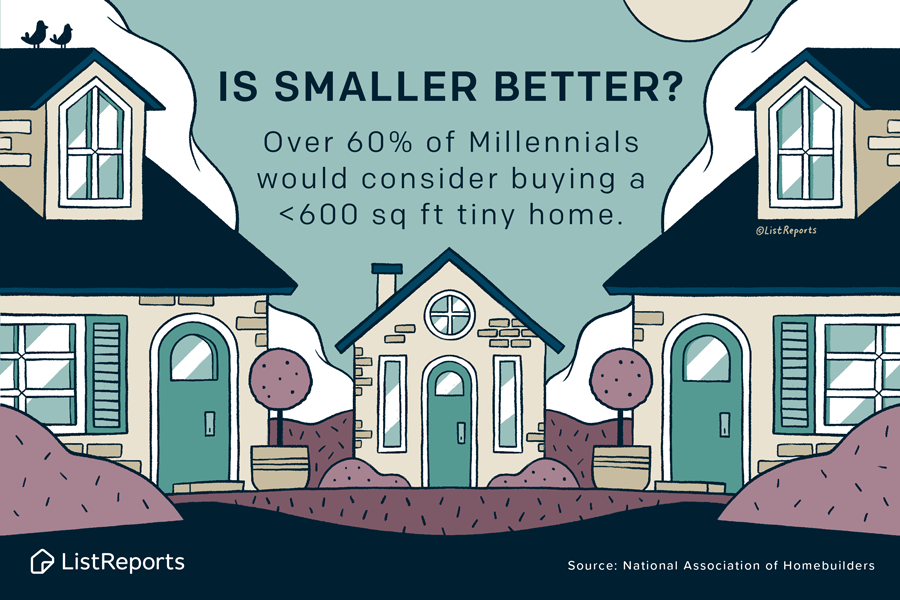
With rising home prices and affordability challenges, more buyers are exploring alternative housing options. Manufactured homes, modular homes, tiny homes, and RV living are all gaining popularity — but from a financing standpoint, they are VERY different animals.
And this is where buyers often get caught off guard.
A home may look beautiful online, seem affordable, and sit on a gorgeous piece of land… only for financing or zoning to completely derail the deal halfway through escrow. 😬
The biggest thing to understand is that lenders don’t just look at the structure itself. They also look at how the home is built, whether it’s permanently attached to land, local zoning laws, utility access, and even how the property is taxed.
Let’s break down the differences.
🏠 Manufactured Homes
Manufactured homes are built entirely in a factory and then transported to the property. These homes are constructed under HUD code standards and usually include a permanent steel chassis underneath the structure.
You’ll often hear people refer to these as “mobile homes,” although technically that term usually applies to homes built before June 15, 1976.
Modern manufactured homes can absolutely qualify for traditional financing, including FHA, VA, USDA, and conventional loans — but there are conditions. In many cases, the home must be permanently affixed to owned land, properly titled as real property, and meet lender and appraisal requirements.
Where buyers can run into problems is zoning.
Some cities, counties, and HOAs restrict manufactured housing altogether or limit where these homes can be placed. Others may require permanent foundations, minimum lot sizes, upgraded skirting, or specific exterior appearances to blend with surrounding homes.
The upside is affordability. Manufactured homes are often significantly less expensive than traditional housing and can provide an accessible path to homeownership. The tradeoff is that financing guidelines can sometimes be stricter, particularly if the home sits in a leased land community or if the property is older.
🧱 Modular Homes
Modular homes are also built in a factory, but unlike manufactured homes, they are assembled on-site and built to the same local building code standards as traditional site-built homes.
Once completed, modular homes are generally treated very similarly to stick-built homes from both a lending and appraisal perspective. In fact, many buyers would never know a home was modular unless someone told them.
This typically makes financing easier. Buyers may qualify for conventional, FHA, VA, or USDA financing, and modular homes often hold value similarly to traditional construction.
Zoning is usually less complicated as well because modular homes are considered permanent residential structures. That said, local municipalities and HOAs may still impose architectural standards, minimum square footage requirements, or utility connection rules.
The biggest misconception about modular homes is that they are “cheap prefab homes.” Many modern modular homes are incredibly high quality and can look almost identical to custom site-built construction.
🏡 Tiny Homes
Tiny homes are where things start getting interesting… and complicated.
Some tiny homes are permanently attached to foundations and legally classified as residential dwellings. Others are built on trailers and function more like RVs. That distinction dramatically changes financing options.
Many tiny homes fall below minimum square footage requirements established by local zoning laws. Some cities restrict where tiny homes can be placed entirely, while others only allow them as accessory dwelling units (ADUs).
Even if you own land, local regulations may prevent you from using a tiny home as a full-time residence.
Financing can also be challenging because appraisers may struggle to find comparable sales. Depending on how the home is constructed and classified, buyers may need a personal loan, RV financing, construction loan, or a specialty tiny-home lender instead of a traditional mortgage.
That said, tiny homes appeal to many buyers because of lower maintenance costs, simplified living, and lower overall housing expenses. For the right buyer and the right property setup, they can absolutely work — but research is critical upfront.
🚐 RVs & Tiny Homes on Wheels
RVs are generally considered recreational vehicles, not real estate.
That means traditional mortgage financing usually does not apply.
Instead, buyers typically use RV loans, personal loans, or specialty financing programs. Loan terms are often shorter, rates may be higher, and these properties typically do not build equity the same way traditional real estate does.
Zoning can also become a major obstacle.
Many cities and counties prohibit full-time RV living, restrict RV parking on residential lots, or limit utility hookups for long-term occupancy. Some areas are RV-friendly, while others are extremely strict.
This is one of the biggest reasons buyers should never assume they can simply purchase land and park an RV or tiny home indefinitely.
The lifestyle flexibility can be amazing… but the legal and financing realities need to be understood first.
💡 The Real Mortgage Minute
When it comes to alternative housing, the structure itself is only part of the story.
Lenders are also reviewing:
Whether the home is permanently attached
Land ownership
Zoning compliance
Utility access
Foundation requirements
Comparable sales
Property classification and taxation
Two properties may look nearly identical online, but one may qualify for conventional financing while the other only qualifies for a personal loan.
That’s why having the financing conversation BEFORE making an offer can save buyers a lot of stress, money, and disappointment later.
Thinking about manufactured housing, modular construction, tiny homes, or alternative living options? Let’s talk strategy and figure out which loan options actually fit your goals. 🐼

