
🏡 Property Inspection Waivers:
Wait… You Might NOT Need an Appraisal?
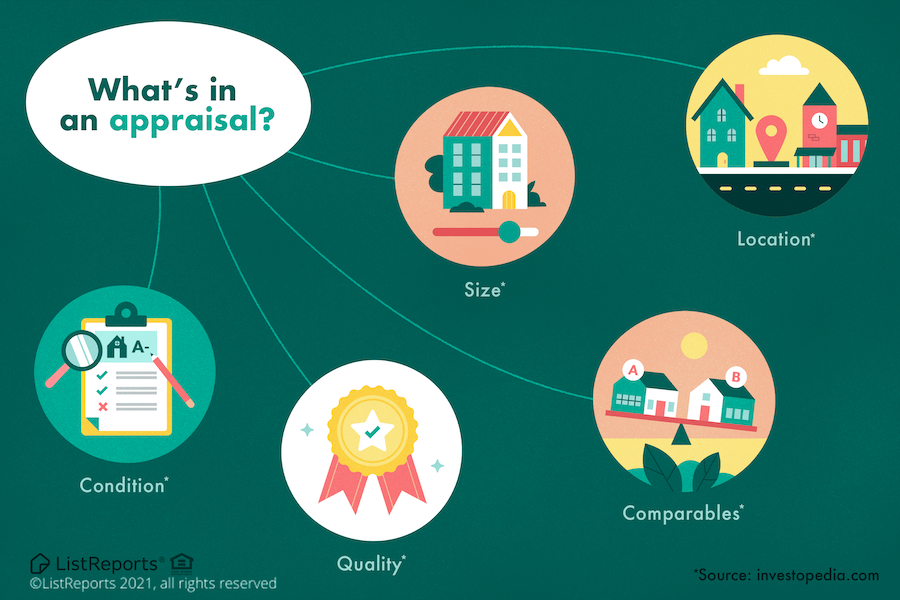
If you’ve ever purchased a home or refinanced a mortgage, you’ve probably heard the word “appraisal” tossed around early in the process. For years, appraisals were considered a mandatory step in nearly every mortgage transaction.
But today?
That’s not always the case.
In certain situations, borrowers using conventional financing may qualify for what’s called a Property Inspection Waiver (PIW) — also commonly referred to as an appraisal waiver.
Before we get into how those work, let’s start with the basics.
📊 What Is an Appraisal — And Why Does It Matter?
An appraisal is a professional opinion of a property’s market value completed by a licensed appraiser. The lender uses this report to confirm the home is worth what is being paid or refinanced.
After all, the property itself acts as collateral for the mortgage loan.
The appraisal helps protect:
The borrower
The lender
The stability of the overall housing market
A traditional appraisal typically includes:
A physical inspection of the property
Interior and exterior photos
Measurements and condition notes
Comparable nearby home sales
Market analysis
The goal is to determine whether the home supports the loan amount being requested.
And in many cases… it still does exactly that.
But technology and mortgage data systems have evolved dramatically over the years.
👀 What Is a Property Inspection Waiver?
A Property Inspection Waiver allows certain conventional loans to move forward without requiring a traditional appraisal inspection.
That means:
✅ No appraiser appointment
✅ No waiting on a full appraisal report
✅ No appraisal fee in many cases
✅ Potentially faster loan processing
Instead of requiring a physical inspection, automated underwriting systems through Fannie Mae or Freddie Mac analyze enormous amounts of existing property and market data.
These systems review:
Prior appraisal history
Public records
Comparable sales
Market trends
Loan-to-value ratios
Property characteristics
Borrower profile and overall risk
If the automated system determines there is sufficient reliable data available, it may offer the lender a waiver.
Translation?
The system is essentially saying:
“We already have enough confidence in this property value.”
🚨 Important: Appraisal Waivers Are ONLY for Conventional Loans
This is one of the biggest misconceptions in mortgage lending.
Property inspection waivers are generally available only for:
Conventional loans backed by Fannie Mae
Conventional loans backed by Freddie Mac
You typically will NOT see appraisal waivers available on:
FHA loans
VA loans
USDA loans
Government-backed loan programs usually require some level of physical appraisal because those loans also include minimum property condition requirements and safety standards.
So if someone tells you:
“My cousin skipped the appraisal on their FHA loan…”
…there’s a very good chance that’s not the full story. 😅
🏡 Other Types of Mortgage Appraisals
Not every appraisal looks the same. Depending on the loan program and scenario, several different valuation methods may be used.
Full Appraisal
The traditional appraisal with a full interior and exterior inspection.
Drive-By Appraisal
The appraiser views only the exterior of the property and completes the valuation using market data.
Hybrid Appraisal
A third-party inspector collects property information while the appraiser completes the valuation remotely.
Desktop Appraisal
Completed entirely remotely using available data sources.
Property Inspection Waiver
No appraisal inspection required at all if the automated system approves the waiver.
Each option depends on:
Loan type
Risk level
Equity position
Occupancy type
Property characteristics
Automated underwriting findings
⏰ Why This Matters for Buyers and Homeowners
If a conventional loan receives a property inspection waiver, it can create several advantages for borrowers.
Potential benefits may include:
Faster closing timelines
Reduced out-of-pocket costs
Less scheduling stress
Fewer delays during escrow
But it’s important to remember:
A waiver is never guaranteed.
Two borrowers purchasing similar homes may receive completely different appraisal requirements depending on the specifics of the file.
That’s why working with an experienced mortgage professional matters.
Understanding how to structure the loan properly from the beginning can help position the file for the best possible outcome.
🐼 Final Thoughts
The mortgage world is changing fast, and appraisal options are evolving right alongside it.
While traditional appraisals are still extremely common and important, many conventional borrowers today may qualify for alternative valuation methods — including desktop appraisals or even full property inspection waivers.
The key is understanding:
Which loan programs allow them
When they apply
And how the automated systems make those decisions
Every loan scenario is different, and having the right strategy can make a huge difference in both timing and overall experience.
If you’re thinking about buying, refinancing, or wondering whether your loan could qualify for an appraisal waiver, reach out to me directly. I’d be happy to review your options, answer your questions, and help build a game plan that fits your goals.
📩 Contact me today and let’s talk through your next move.

