
Why Prepayment Penalties Are Suddenly Back in the Conversation
Lately, I’ve been having more conversations about prepayment penalties—and no, it’s not because lenders suddenly got dramatic. It’s because more buyers and investors are exploring creative financing options like non-QM and DSCR loans, where these terms are more common. When affordability gets tight or income doesn’t fit the traditional box, these loan products step in… and they come with a few extra rules. 🐼
The key is understanding what you’re agreeing to before you sign. Because while a prepayment penalty might help you secure a better rate today, it could cost you tomorrow if your plans change. And trust me—plans change all the time in real estate.
🏡 So What Is a Prepayment Penalty?
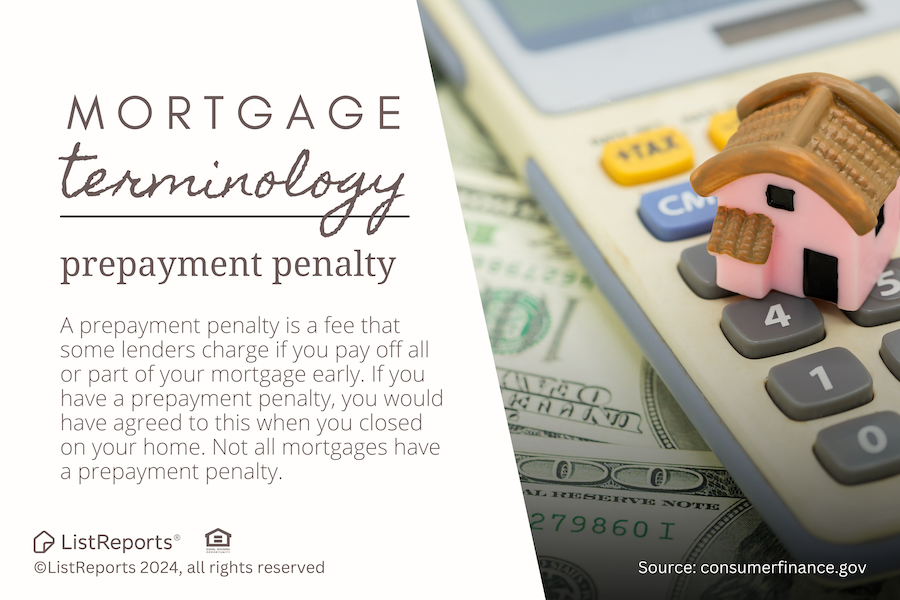
A prepayment penalty is exactly what it sounds like: a fee charged if you pay off your loan too early within a set period—usually within the first one to three years. This isn’t something hidden in the fine print; it’s built directly into the structure of certain loans.
Lenders include this because they’re pricing your loan with the expectation that you’ll keep it for a certain amount of time. If you refinance, sell, or significantly pay down the balance too soon, that expected timeline gets cut short—and the penalty helps offset that.
🔍 Where Do These Show Up?
If you’re using a traditional, vanilla mortgage backed by Fannie Mae or Freddie Mac, you typically won’t run into this issue. Those loans are designed to be more consumer-friendly when it comes to paying off your balance early.
Where things shift is in the world of alternative financing. Loans like non-QM, DSCR, and bank statement programs are designed for borrowers who don’t fit the traditional mold—think self-employed buyers or real estate investors. Because these loans carry more flexibility (and sometimes more risk), lenders use prepayment penalties as a way to balance things out. In exchange, borrowers often get access to financing they wouldn’t otherwise qualify for—or even a slightly better rate.
⚖️ Let’s Clear Up a Common Confusion
Here’s where people get tripped up: paying off your loan early is not the same thing as having a prepayment penalty.
You can absolutely pay off most loans early without any issue. That’s just called being financially ahead of schedule—and no one’s mad about that. But if your loan specifically includes a prepayment penalty clause, then paying it off within that restricted window could trigger a fee.
So yes, all prepayment penalties involve early payoff… but not all early payoffs come with penalties. It just depends on how your loan is structured.
💼 The Behind-the-Scenes Impact
Now for a little insider perspective.
When a loan gets paid off too quickly—especially within the first few months—it can trigger something called an Early Payoff (EPO). This is when the lender hasn’t had enough time to recoup the cost of originating the loan.
And here’s the part most people don’t realize: in some cases, the loan officer has to give back their commission.
So when I ask about your long-term plans—whether you’re thinking about refinancing soon or possibly selling—it’s not just small talk. It’s about making sure we structure your loan in a way that actually works for you and avoids unnecessary costs or complications down the road.
🧠 Final Thoughts
Prepayment penalties aren’t inherently bad—they’re just strategic. In the right situation, they can help you qualify for a loan or secure better pricing. But they only make sense if they align with your game plan.
🐼 Mama Bear advice: If there’s even a small chance your situation could change in the next couple of years, this is a conversation worth having upfront. The right loan isn’t just about the rate—it’s about flexibility, timing, and setting you up to win.

