
What Your Insurance Quote Is Trying to Tell You
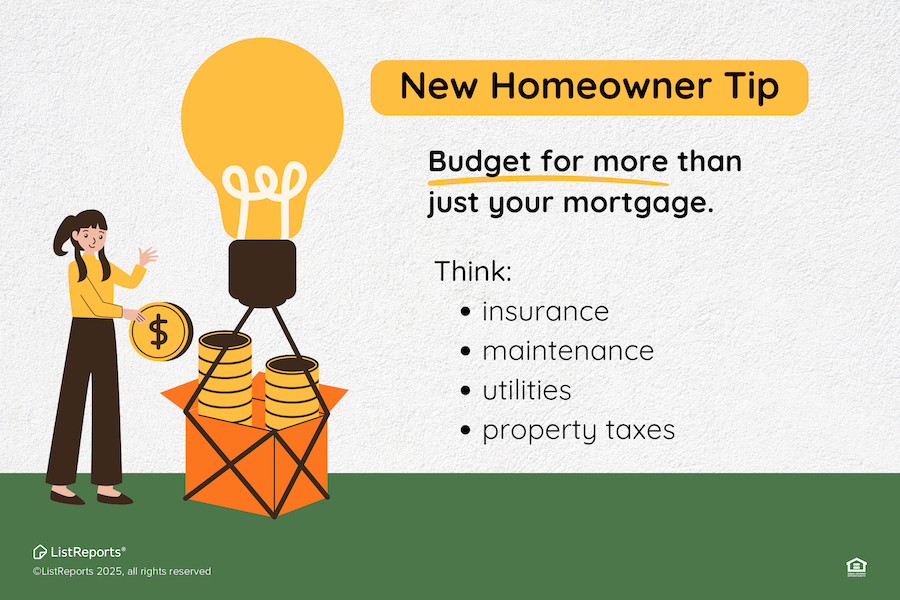
When buyers are shopping for a home, most of the focus goes to the mortgage payment, interest rate, closing costs, and maybe whether the fridge conveys. Fair. But one cost that gets underestimated all the time is homeowners insurance.
And here’s the kicker: two homes with similar price tags can have very different insurance premiums.
That means a home that looks affordable on paper can suddenly feel a lot less cute once the insurance quote rolls in.
Homeowners insurance isn’t just a checkbox for closing. It directly affects your monthly housing payment, your cash reserves, and in some cases, even whether a property still fits your approval comfort zone.
So yes—this is one of those “adulting isn’t glamorous” topics that can save buyers from a very expensive surprise.
🔍 What Can Quietly Drive the Premium Up?
A lot of buyers assume insurance pricing is based mostly on the home’s value. That’s part of it—but definitely not all of it.
Some of the biggest premium drivers are things buyers don’t always notice during a showing:
Older Roof
If the roof is older, worn, or nearing the end of its life, that can be a big red flag for insurance. Some carriers may charge more, limit coverage, or require updates before issuing a policy. In some cases, roof coverage may be based on actual cash value instead of full replacement cost, which is a fancy way of saying: “surprise, you’re getting less than you thought.”
Prior Insurance Claims on the Property
Yep—the house can have baggage. If the property has a history of water damage, fire claims, storm losses, or repeated issues, that can impact insurability and cost. The Insurance Information Institute recommends reviewing a property’s CLUE report (claims history) when possible, because prior losses can absolutely matter.
Pools, Trampolines, Dogs, and Other Liability Magnets
The backyard “fun package” can also be the premium “upcharge package.” Features that increase injury risk may lead to higher liability exposure—and that can mean a higher premium too. Some insurers also have underwriting rules around certain dog breeds, diving boards, or other property features.
Age of the Home’s Systems
Old electrical, plumbing, HVAC, or outdated materials can increase risk and raise premiums. Knob-and-tube wiring? Galvanized plumbing? Ancient water heater hanging on for dear life? Insurance carriers notice those things even if the granite countertops are trying to distract everyone.
Location, Fire Protection, and Weather Risk
Where the home sits matters. Distance to a fire hydrant, whether the area is served by a professional or volunteer fire department, neighborhood claim history, and regional weather exposure can all affect cost.
Coverage Choices and Deductibles
Sometimes the home isn’t the problem—the policy setup is. Lower deductibles usually mean higher premiums, while higher deductibles can reduce the monthly cost but increase out-of-pocket exposure if there’s a claim. Some policies also include separate wind/hail or percentage-based deductibles, which can catch buyers off guard if they only looked at the standard deductible.
What the Policy Doesn’t Cover
This is where people get humbled in a hurry. Standard homeowners insurance usually does not cover things like flood, earthquake, wear and tear, pest damage, or some mold-related issues. So if a buyer is purchasing in an area with flood exposure or other specialty risks, they may need additional coverage on top of the standard homeowners policy.
And just like that, the “monthly payment” starts shape-shifting.
🧠 Why Doing Your Homework Before Buying Matters
This is exactly why buyers shouldn’t wait until the final stretch of escrow to think about insurance.
A property can look perfect on Instagram and still come with:
a roof issue,
a claims history,
expensive rebuild costs,
or insurance limitations that affect affordability.
That’s why smart buyers do more than admire the kitchen backsplash. They ask better questions.
Before getting too emotionally attached to a house, it’s worth looking at things like:
roof age,
major system updates,
prior water damage,
location-specific risk,
and whether there are any features that could create liability or coverage issues.
Because once you’re under contract is a terrible time to discover the house comes with “character”… and a spicy insurance quote.
🤝 Why a Great Insurance Pro Matters
This is also why having a solid insurance person in your corner matters just as much as having a good lender and a strong agent.
A great insurance advisor doesn’t just spit out a number and disappear into the mist.
They help buyers understand:
what’s actually covered,
what isn’t,
where there may be risk,
and whether there are smarter coverage options or discounts available.
📌 Bottom Line
Homeowners insurance is one of the most overlooked parts of buying a home—but it can have a very real impact on affordability.
The home price is only part of the story.
The insurance story matters too.
Doing your homework on a property before writing the offer—and having a great insurance pro involved early—can help buyers avoid surprises, protect their budget, and make more confident decisions.
If you have questions about how insurance costs can affect qualifying or monthly payment, reach out to me and let’s set a time to chat.

