
How Much Cash Do You Really Need to Buy a Home?
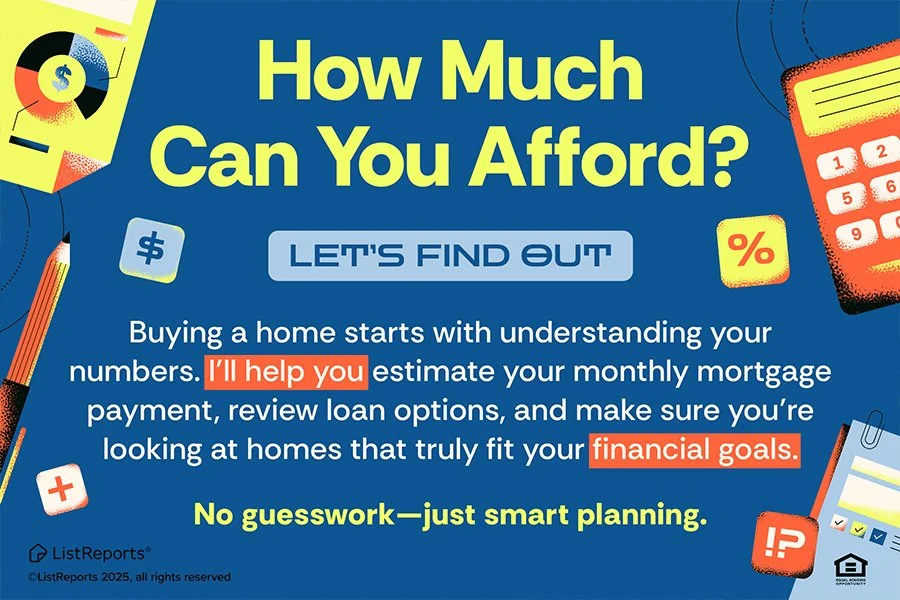
One of the first questions buyers ask is, “How much cash do I actually need to buy a home?” The short answer: more than just the down payment—but not as much mystery as it sometimes feels like. Cash to close is simply the total amount a buyer brings to the closing table, and it’s made up of a few clearly defined pieces.
Once you understand what those pieces are—and why some of them change while others stay fairly predictable—it becomes much easier to plan, save, and move forward with confidence. Let’s break it down.
💰 What Is “Cash to Close”?
Cash to close is the total amount of money a buyer needs to bring to closing in order to complete the purchase.
It typically includes:
Down payment
Closing costs
Earnest money (already paid and credited back)
This is the number that matters most when you’re planning and saving for a home purchase.
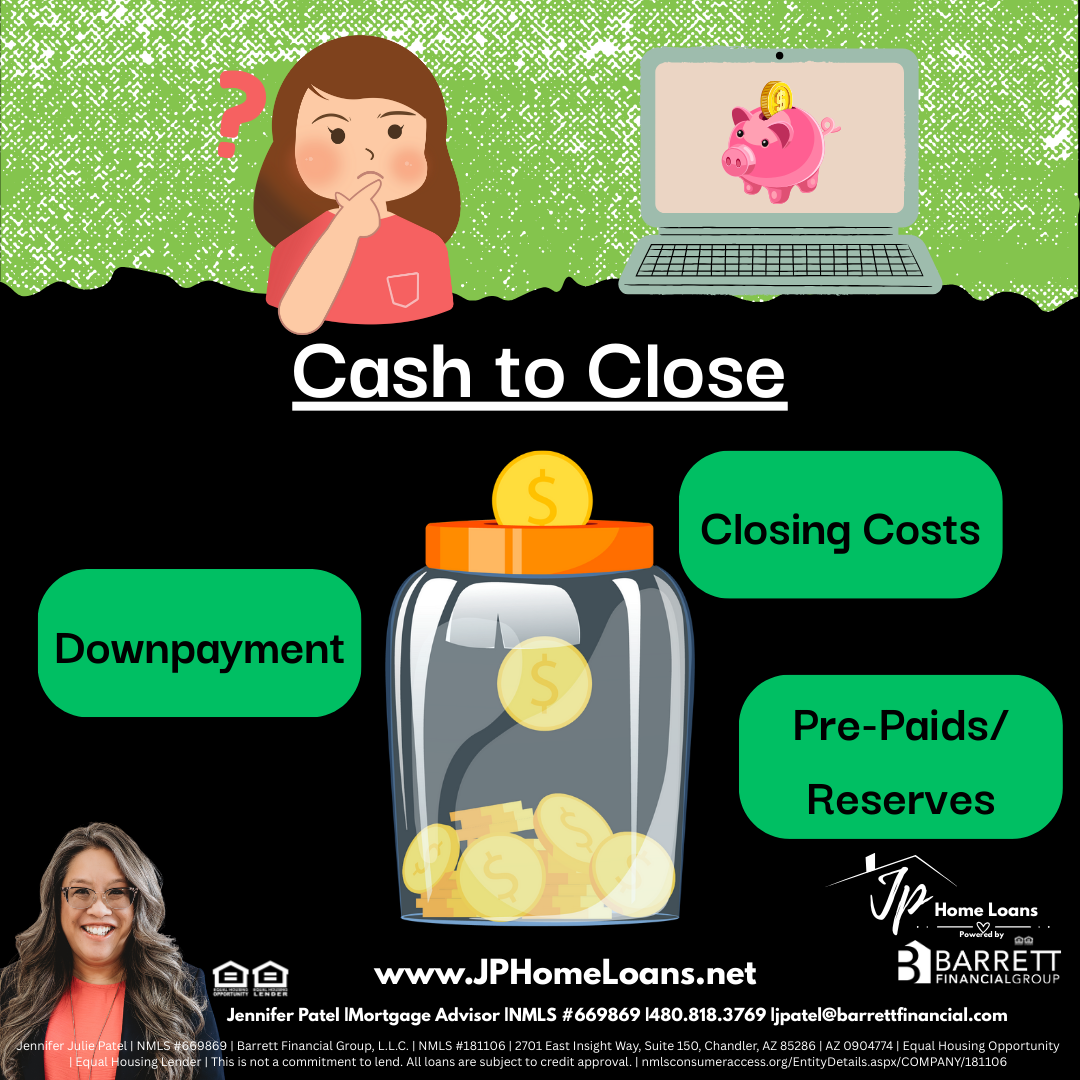
🏠 Down Payment: Your Equity Contribution
The down payment is the portion of the purchase price you pay upfront.
Goes directly toward buying the home
Reduces the loan amount
Builds immediate equity
Down payment requirements vary by loan program—some allow as little as 3%–3.5%, while others require more depending on goals and qualifications.
🧾 Closing Costs: The Cost of the Transaction
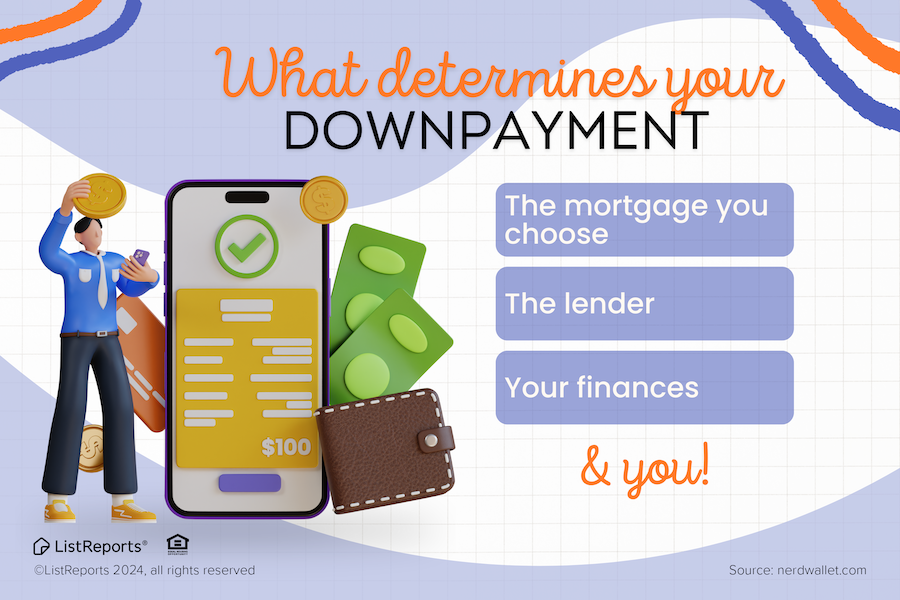
Closing costs are the fees required to complete the mortgage and legally transfer ownership. They generally run:
👉 2%–5% of the loan amount
For many buyers, that percentage often translates to roughly $10,000–$15,000, depending on the situation.
What makes closing costs move up or down?
Closing costs aren’t fixed. They can vary based on:
Discount points (optional fees paid to lower the interest rate)
Property taxes and timing of closing
Homeowners insurance premiums
HOA dues and required prepayments
Loan type and purchase price
Even with these variables, planning for $10K–$15K on top of your down payment is a solid rule of thumb when preparing to buy.
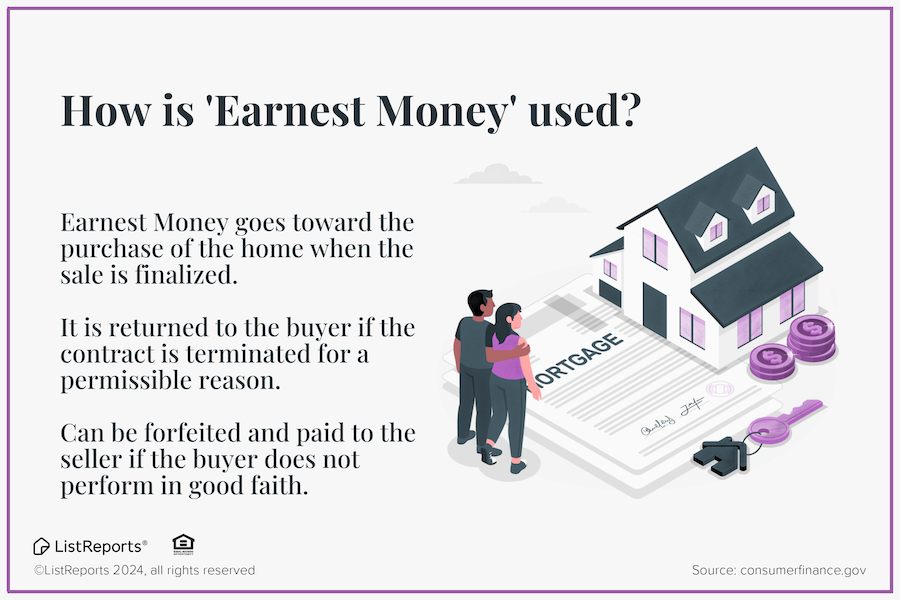
📝 Earnest Money: Showing Good Faith
Earnest money is a good-faith deposit submitted with your offer to show the seller you’re serious.
Typically 1%–3% of the purchase price
Paid shortly after offer acceptance
Held by escrow or title
How it’s applied
Earnest money is credited back to the buyer at closing and applied toward:
The down payment, or
Total cash to close
It’s not an extra fee—it’s part of the cash you were already planning to bring.
🧮 Cash-to-Close Examples (Putting It All Together)
These examples assume:
Estimated closing costs: ~$12,500
Earnest money: 1% of purchase price
🏡 Example 1: $400,000 Purchase | 3.5% Down
Down Payment: $14,000
Estimated Closing Costs: ~$12,500
Total Cash to Close: ~$26,500
If $4,000 was already paid as earnest money, remaining cash due at closing would be:
👉 ~$22,500
🏡 Example 2: $400,000 Purchase | 20% Down
Down Payment: $80,000
Estimated Closing Costs: ~$12,500
Total Cash to Close: ~$92,500
With $4,000 already submitted as earnest money:
👉 ~$88,500 due at closing
This is not an offer to lend. Numbers are only estimates. Prospective buyers should reach out and complete a mortgage application to have interest rates and corresponding numbers updated to their specific scenarios.
🐼 The Mama Bear Takeaway
Cash to close isn’t a mystery—it’s a math problem with clear parts:
Down payment builds equity
Closing costs complete the transaction
Earnest money strengthens your offer and gets credited back
When you plan for all three, the process feels far less intimidating and far more achievable.
👉🏼Want help estimating your cash to close—or seeing how different loan options and seller concessions could change the numbers? DM me or 🔗schedule a time to chat with me. Let’s run the numbers together so you can plan with confidence.

