
💰 Is Your Earnest Money Really Safe?
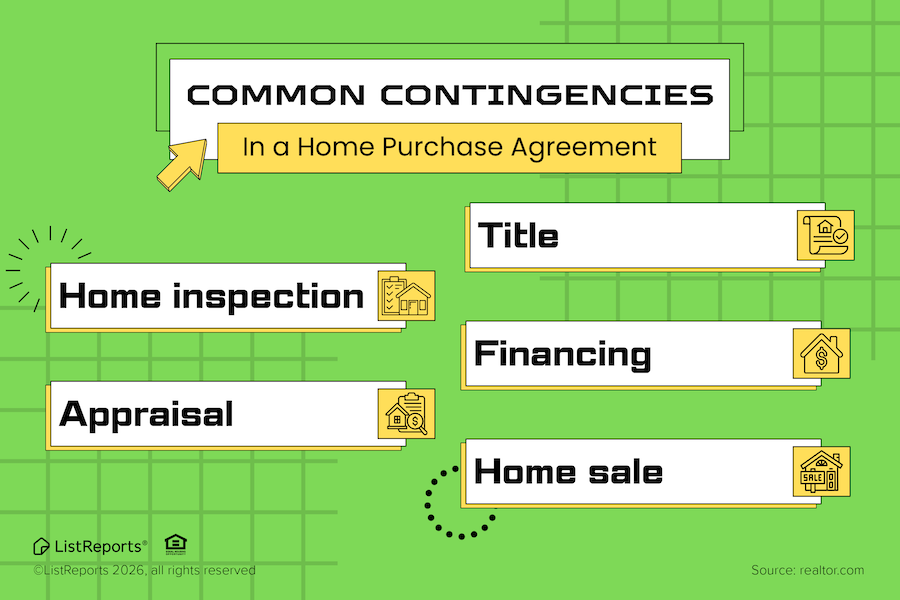
Earnest Money & Contingencies — What Buyers Need to Know
You found the house. Your offer was accepted. 🎉 Now comes one of the first questions I hear from buyers:
“Wait… where does my earnest money go, and can I lose it?”
Great question — and this is where understanding earnest money AND purchase contingencies becomes really important.
💰 What Is Earnest Money?
An Earnest Money Deposit (EMD) is money a buyer puts down after an offer is accepted to show the seller they’re serious about purchasing the home.
Think of it as your good-faith deposit.
The money is typically held by an escrow or title company during the transaction. And here's the important part:
Your earnest money isn't an extra fee.
If you make it to closing, it's generally credited toward the money you already need for the transaction, such as your down payment and/or closing costs.

🛡️ So… Can You Lose Your Earnest Money?
Potentially — but this is exactly why contingencies and contract deadlines matter.
Contingencies are conditions written into the purchase contract that can provide a buyer with certain protections. If you cancel the contract properly under an applicable contingency and within the required timeframe, your earnest money may be refundable according to the terms of your contract.
Miss a deadline or cancel for a reason that isn't protected by your contract? That's when your earnest money could potentially be at risk.
Your real estate agent should guide you through the specific contract terms and deadlines.
🔍 Inspection Contingency
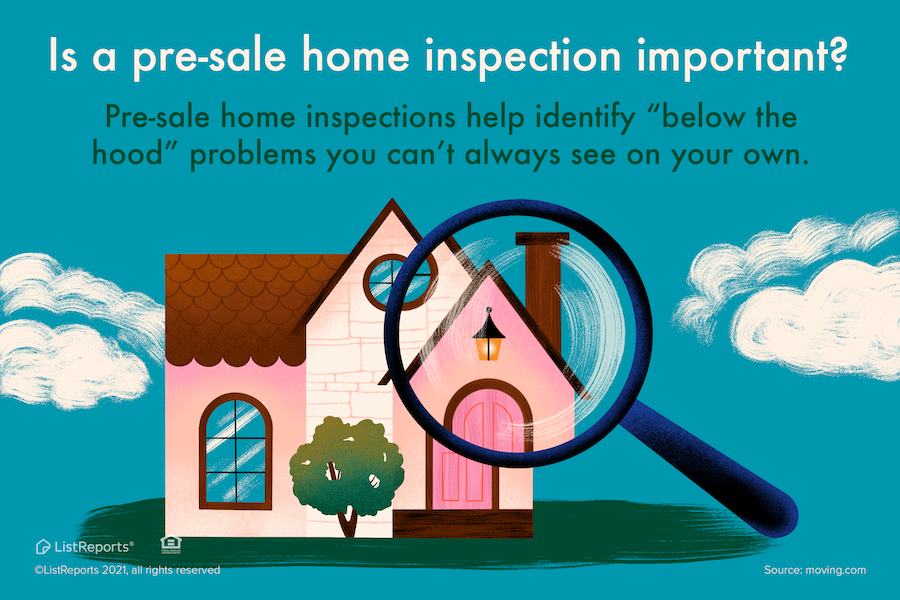
The inspection period gives you an opportunity to investigate the property.
Roof? Plumbing? Electrical? HVAC? That mysterious stain nobody mentioned?
Depending on your contract, if you discover something during your inspection period that makes you uncomfortable moving forward, you may have options to negotiate with the seller or cancel the contract.
This is one of the first major deadlines where your earnest money and your contingencies intersect.
🏡 Appraisal Contingency
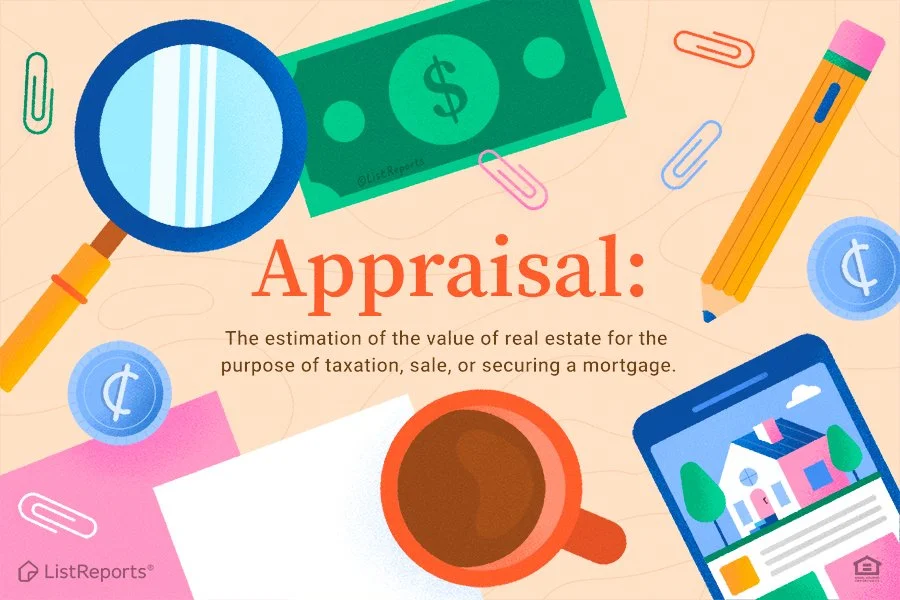
When you're financing a home, your lender will typically order an appraisal to determine the property's value.
What happens if you're buying the home for $500,000 but it appraises for $480,000?
Now we have a $20,000 appraisal gap.
Depending on the terms of your contract, you may be able to renegotiate with the seller, bring additional money to closing, or potentially cancel under an applicable appraisal contingency.
But if you've agreed to waive the appraisal contingency or cover an appraisal gap, your options — and potentially your earnest money — can look very different.
💵 Financing Contingency
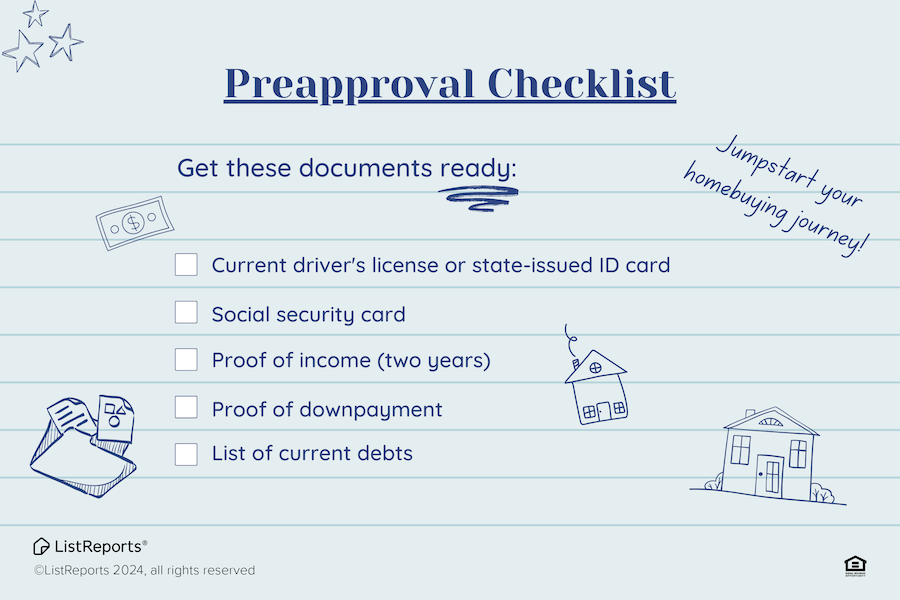
A preapproval is a BIG first step, but it isn't final loan approval.
Once you're under contract, your loan still has to go through underwriting and satisfy the lender's requirements.
A financing contingency may provide protection if you're unable to obtain financing within the terms and deadlines specified in your contract.
And this is one area where I don't like surprises.
🐼 Why I Do More Homework BEFORE I Send You Shopping
I don't like to send my buyers out shopping for homes unless we've done everything we reasonably can to have the financing piece nailed down before I issue the preapproval.
Yes, that can mean more homework upfront.
I may ask for additional income documentation. I may want to verify assets, review tax returns, dig into employment history, document something unusual on your credit, or even have an underwriter take a closer look at the file before you're out making offers.
There is a reason for it.
Once you put earnest money on the line, I want us to control everything we can control.
I can't control what an inspection uncovers.
I can't control where an appraisal comes in.
I can't control what another buyer offers or what a seller decides to do.
But I CAN do everything possible to make sure we've thoroughly reviewed your financing before you fall in love with a house.
I'd much rather ask you for a few extra documents on the front end than discover a financing issue after you're under contract, have deposited earnest money, paid for an inspection and appraisal, and started planning where the couch is going.
That's also why I don't look at a preapproval as simply a piece of paper that gets you through the door.
It's part of our strategy to get you safely to the closing table.
One More Mortgage Mama Bear Warning…
Once you're under contract, please don't finance a new car, open a new credit card, change jobs without talking to me, or buy $12,000 worth of furniture because it was “such a good deal.” 😬
Even after we've done our homework, changes to your finances can affect your loan approval.
Call me first. Shop later.

🏠 Home-Sale Contingency
Sometimes a buyer needs the proceeds from selling their current home before they can purchase the next one.
A home-sale contingency can make the new purchase dependent upon the buyer's existing home selling within a specified timeframe.
Again, the exact protection — including what happens to the earnest money if the existing home doesn't sell — depends on the language and deadlines in the purchase contract.
⚠️ What Happens When You Waive Contingencies?
In a competitive market, buyers sometimes consider waiving contingencies to make their offer more attractive.
Just remember:
A stronger offer can also mean taking on more risk.
When you waive a contingency, you may also be giving up one of the contractual protections that could allow you to cancel and recover your earnest money.
Before waiving anything, understand:
What protection you're giving up
How much earnest money could potentially be at risk
What happens if the appraisal comes in low
What happens if financing falls through
What deadlines you need to meet
Your real estate agent should advise you on the contract itself, while your lender should help you understand the financing risks before you make the offer.
🐼 The Mortgage Mama Bear Bottom Line
Your earnest money, contingencies, and financing are all connected.
Earnest money shows you're serious. Contingencies can help protect you. Deadlines determine when those protections apply.
And a thorough preapproval helps us reduce the financing surprises we can control.
That's why I want to be involved before you write the offer, not after.
Your agent and I can work together to make sure you understand the financial side of the offer you're making — especially if you're considering an appraisal gap, waiving a contingency, or structuring a more aggressive offer.
The goal isn't simply to get your offer accepted. It's to get you all the way to the closing table — with no expensive surprises along the way.
Thinking about buying? Reach out to me before you start shopping. We'll do the homework, build the financing strategy, and get you ready to make an offer with confidence.

