
September 8, 2026
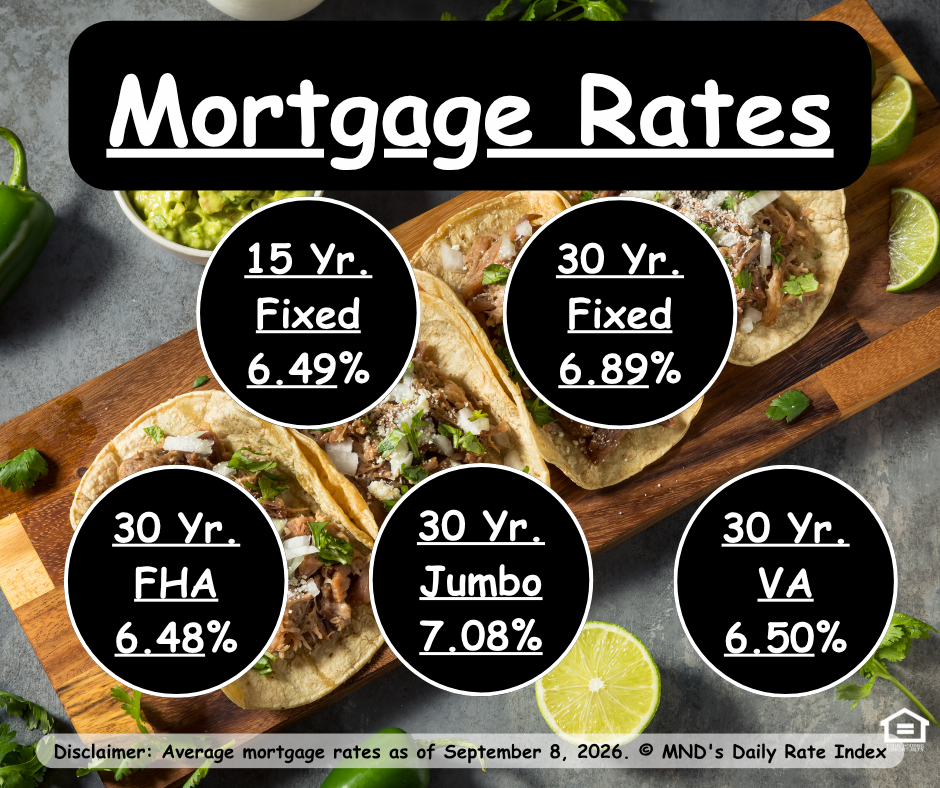
Jobs, Inflation & Mortgage Rates: What Happens Next?
Markets reopened yesterday after the long Labor Day weekend, and there was plenty for investors — and mortgage rates — to digest. We came into the shortened week following a much stronger-than-expected jobs report. Now attention is shifting to inflation, with two important reports still ahead that could help shape the next move for mortgage rates.
💼 The Jobs Report Came In Strong
Last Friday's August jobs report surprised the market. The U.S. economy added 162,000 jobs, significantly higher than the roughly 56,000 economists had expected. The unemployment rate held steady at 4.1%, and previous job totals for June and July were revised higher by a combined 55,000 jobs.
Why does that matter?
A stronger labor market gives the Federal Reserve less reason to worry about an economic slowdown — and potentially less urgency to lower rates. The initial reaction pushed Treasury yields higher, although mortgage rates held up relatively well following the report.
📈 Markets Returned Tuesday — And Stayed Cautious
After Monday's market closure, bonds reopened Tuesday with investors weighing the strong employment numbers against the inflation data still to come. Treasury yields remained elevated, while mortgage-backed securities faced some pressure. Rising oil prices also added another wrinkle because higher energy costs can contribute to inflation.
For mortgage rates, that means the market is still searching for its next clear direction. And the next few days could provide it.
📊 Inflation Is Up Next
Two important inflation reports are still coming this week.
Thursday: Producer Price Index (PPI)
PPI measures inflation at the producer and wholesale level. It doesn't usually receive quite as much attention as CPI, but it can provide an early indication of whether inflationary pressures are building.
Friday: Consumer Price Index (CPI)
This is the big one.
Economists are currently expecting August headline CPI to increase approximately 0.4% for the month, with core CPI — which excludes food and energy — expected to rise about 0.2%.
After last week's strong jobs report, Friday's inflation number becomes even more important.
🏡 What Could This Mean for Mortgage Rates?
We're essentially watching a tug-of-war between employment and inflation.
✅ If inflation comes in cooler than expected: That could help bonds and potentially provide some relief for mortgage rates.
✅ If inflation comes in around expectations: Rates could remain relatively range-bound as markets turn their attention toward the Federal Reserve's September meeting.
✅ If inflation comes in hotter than expected: Treasury yields could move higher, putting additional upward pressure on mortgage rates.
One report doesn't determine mortgage rates by itself, but when jobs, inflation and the Fed are all sending signals at the same time, markets tend to pay very close attention.
🐼 What Does This Mean for Buyers?
Weeks like this are a good reminder of why trying to perfectly time the mortgage market can be frustrating.
Instead of asking “When will rates finally drop?”, I encourage buyers to ask a different question:
“What does buying look like for me right now?”
From seller concessions and temporary buydowns to choosing the right loan structure, there may be ways to make today's market work — while still leaving the door open to refinance if rates improve down the road.
The headlines will keep changing. Your strategy doesn't have to change with every one of them.
If you're thinking about buying, selling or refinancing, let's run the numbers and build a plan around your goals.

