
PMI Made Simple
What Is Private Mortgage Insurance (PMI)?
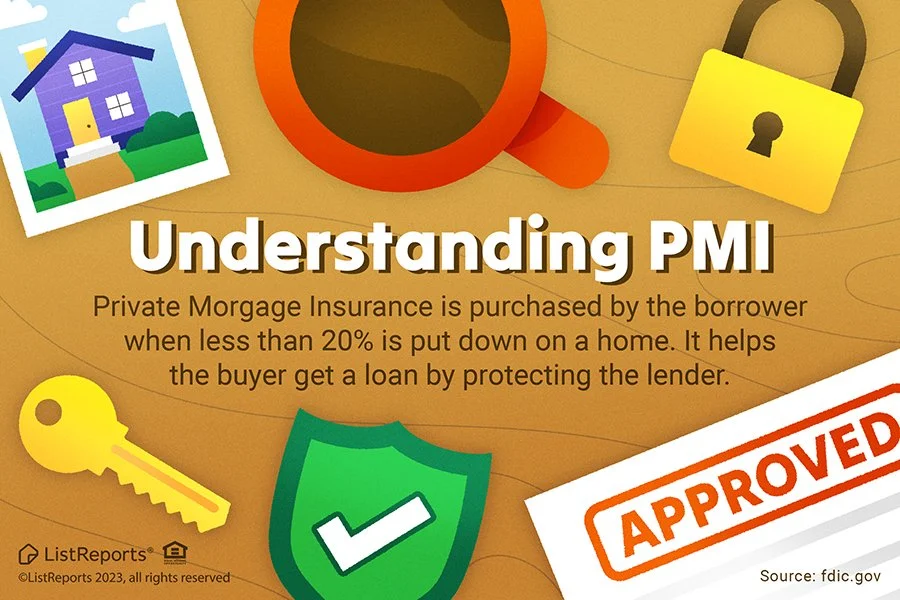
Private Mortgage Insurance (PMI) is insurance that protects the lender, not the borrower, when a buyer puts down less than 20% on a home purchase using a conventional loan.
Let’s be clear: it doesn’t insure your house. It doesn’t protect your equity. It simply reduces the lender’s risk when you bring a smaller down payment to the table.
So why does it exist? Because PMI allows buyers to purchase sooner instead of waiting years to save 20% down. And in many markets, that timing can matter more than the insurance cost itself.
💡 Why Is PMI Relevant to Mortgage Loans?
PMI plays a big role in affordability strategy.
Without it, lenders would require 20% down on nearly every conventional loan. PMI creates flexibility. It allows:
First-time buyers to enter the market sooner
Move-up buyers to retain cash for renovations or reserves
Investors (on some conventional products) to leverage capital strategically
In short, PMI is the trade-off for a lower down payment.
📋 What Loan Types Require PMI — And Which Don’t?
Here’s where things get important:
Loans That Typically Require PMI:
Conventional loans with less than 20% down
Loans That Do NOT Use Traditional PMI:
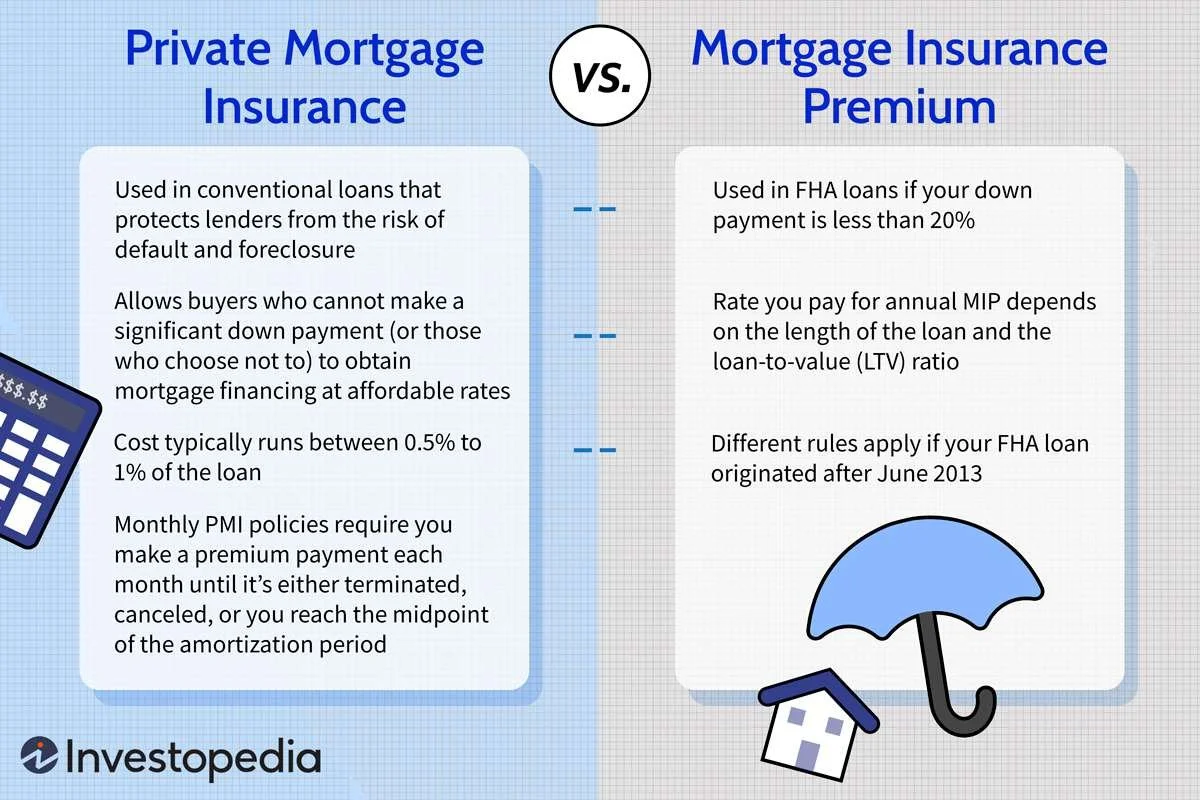
FHA loans – These use mortgage insurance premiums (MIP), which follow different rules
VA loans – No monthly mortgage insurance
USDA loans – Have guarantee fees, but not PMI
Conventional loans with 20%+ down
If you’re using a conventional loan and putting down 5%, 10%, or 15%, PMI will apply in most cases.
🔓 How Do You Remove PMI After Closing?
This is the part everyone wants to know.
For conventional loans:
Automatic Removal
PMI must automatically terminate when your loan balance reaches 78% of the original home value (based on original amortization schedule)
Borrower-Requested Removal
You can request cancellation once you reach 80% loan-to-value (LTV)
You must be current on payments
The lender may require proof of property value (sometimes an appraisal)
Early Removal via Appreciation
If your home value increases significantly, you may be able to request removal earlier by:
Ordering an appraisal
Demonstrating sufficient equity
Now compare that to FHA loans:
If you put down less than 10%, FHA MIP typically stays for the life of the loan
With 10% down, it remains for 11 years
Big difference. Strategy matters.
💰 Can You Pay PMI Upfront Instead of Monthly?
Yes — and this is where smart structuring comes in.
Conventional PMI payment options:
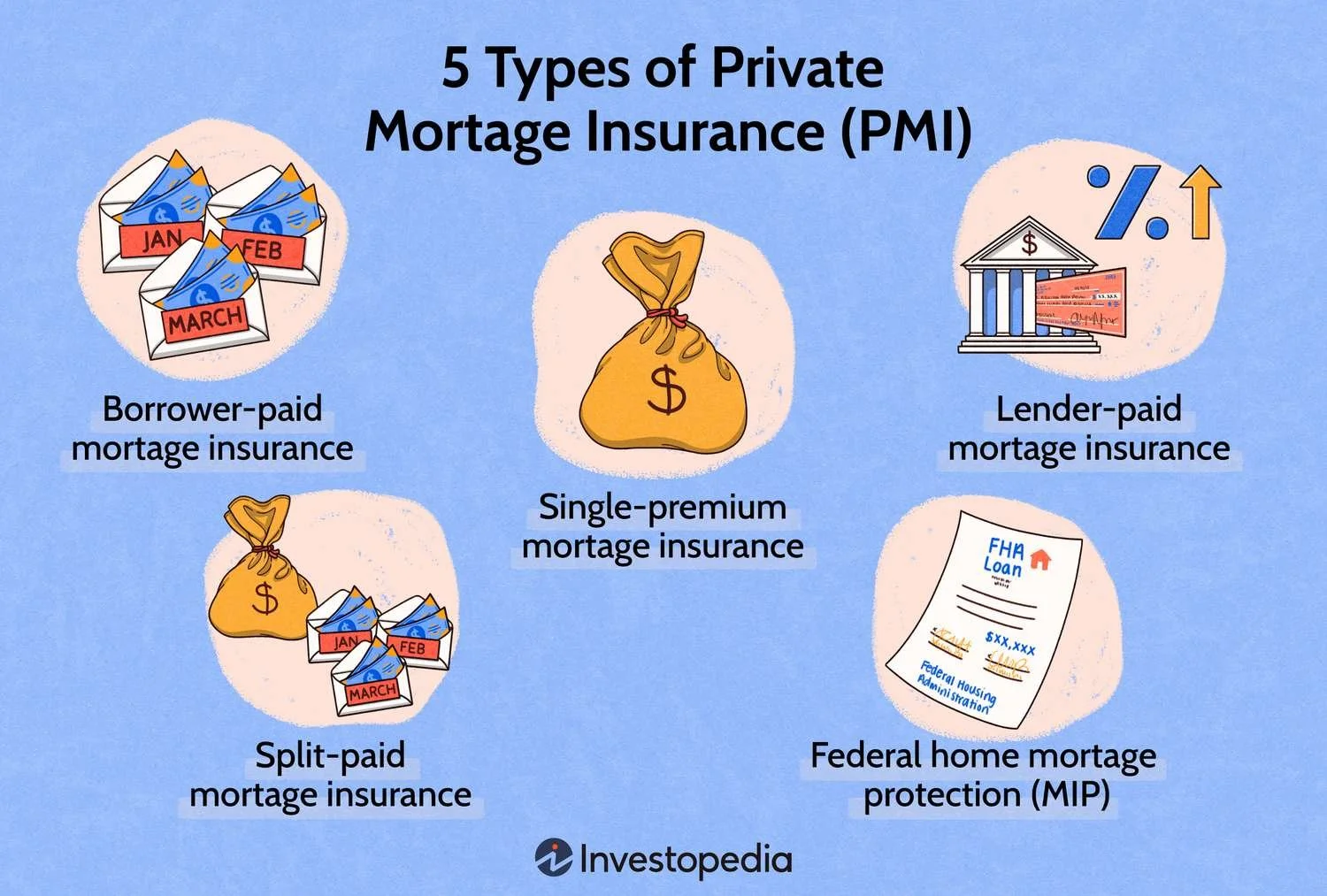
Monthly PMI – Most common; paid as part of your mortgage payment
Single-Premium PMI – Paid upfront at closing
Split Premium – Part upfront, part monthly
Lender-Paid Mortgage Insurance (LPMI) – Built into the interest rate
Each structure impacts payment, cash-to-close, and long-term cost differently.
⚖️ LPMI: Pros & Cons
LPMI means the lender covers the PMI cost — but in exchange, your interest rate is slightly higher.
Pros:
No separate monthly PMI line item
Cleaner payment structure
May be helpful if you plan to keep the loan short-term
Cons:
Higher interest rate for the life of the loan
Not removable like traditional PMI
Could cost more long-term if you keep the loan many years
In some scenarios, LPMI makes sense. In others, traditional monthly PMI that can later be removed is smarter.
It’s not about “avoiding PMI.” It’s about structuring it intentionally.
📊 Quick Reference Summary
PMI applies to conventional loans under 20% down
It protects the lender, not the borrower
It can be removed at 80% LTV (by request) or 78% (automatic)
FHA, VA, and USDA follow different insurance rules
You can choose monthly, upfront, split, or lender-paid options
LPMI trades a higher rate for no separate PMI payment
🐼 Final Thought
PMI is not a punishment. It’s a tool.
The right strategy depends on:
How long you plan to keep the home
Your cash position
Your risk tolerance
Market appreciation trends
There is no one-size-fits-all answer — and that’s where strategy comes in.
🔥If you’re buying, refinancing, or just trying to understand your options, give me a call. I’m happy to run scenarios and walk through the numbers with you.

